


How to Fix a Lawn Damaged by Heat and Bring It Back to Life
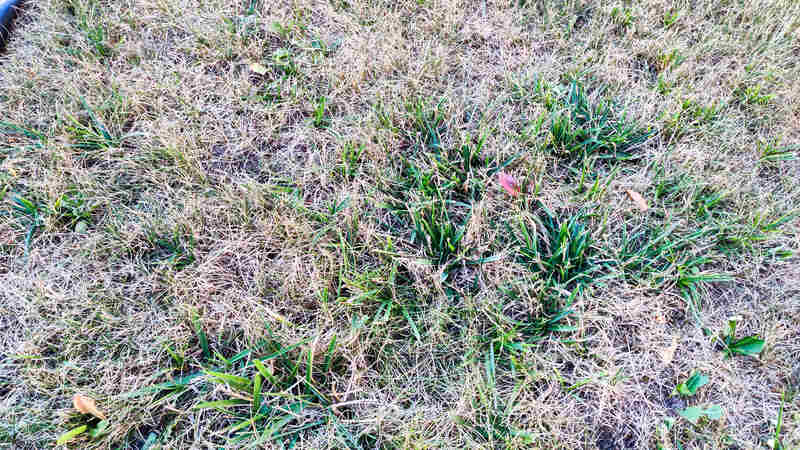
Hot summer weather can take a serious toll on your lawn. If your grass is turning brown, thinning out, or looking dry and brittle, you’re likely dealing with heat damage.
The good news is—your lawn isn’t necessarily dead. In many cases, it’s just stressed and needs the right care to recover.
If you’re wondering how to fix a lawn damaged by heat, here’s what you need to do to restore your yard and get it back to a healthy, green condition.
What Heat Damage Looks Like
Before you fix the problem, it’s important to recognize the signs.
Common symptoms include:
- Brown or yellow patches
- Dry, crispy grass blades
- Thin or sparse growth
- Soil that feels hard and dry
These are signs your lawn is stressed—not necessarily gone for good.
Why Heat Damages Your Lawn
Extreme heat creates harsh conditions for grass.
Common causes include:
- Lack of water
- High temperatures
- Poor soil health
- Shallow root systems
Understanding the cause helps you apply the right solution.
How to Fix a Lawn Damaged by Heat
Follow these steps to bring your lawn back to life:
1. Adjust Your Watering Routine
Water is the most important factor in recovery.
- Water early in the morning
- Water deeply 2–3 times per week
- Avoid watering during peak heat
Deep watering encourages stronger root growth.
2. Raise Your Mowing Height
Short grass struggles more in hot conditions.
- Keep your grass slightly taller
- Avoid cutting too low
- Follow the one-third rule
Taller grass helps shade the soil and retain moisture.
3. Reduce Lawn Stress
Your lawn needs time to recover.
- Limit foot traffic
- Avoid heavy use
- Give damaged areas time to heal
Less stress speeds up recovery.
4. Improve Soil Health
Heat damage is often worse in poor soil.
- Aerate compacted areas
- Add nutrients through fertilization (when appropriate)
- Improve soil structure
Healthy soil supports stronger growth.
5. Repair Damaged Areas
If some areas don’t recover:
- Reseed thin spots
- Install sod for faster results
- Add topsoil if needed
This helps restore your lawn’s appearance.
6. Check Your Irrigation System
Uneven watering can cause patchy damage.
- Inspect sprinkler coverage
- Fix leaks or blockages
- Adjust watering schedules
Consistent watering prevents future issues.
7. Be Patient with Recovery
Grass doesn’t recover overnight.
- Monitor progress over time
- Continue proper care
- Avoid rushing the process
Recovery takes consistency.
How to Prevent Heat Damage in the Future
Once your lawn recovers, focus on prevention:
- Maintain proper watering habits
- Keep grass at the right height
- Improve soil health
- Stay consistent with maintenance
Prevention is easier than repair.
When to Consider Lawn Replacement
If your lawn is severely damaged:
- Large dead areas
- No regrowth after weeks
- Extensive soil issues
It may be time to install new sod for a fresh start.
Common Mistakes to Avoid
Avoid these common mistakes:
- Overwatering or watering at the wrong time
- Cutting grass too short
- Ignoring soil health
- Fertilizing during extreme heat
These can make the problem worse.
Why Professional Lawn Care Services Help
Heat damage can be difficult to fix without the right approach.
Professional landscaping services provide:
- Lawn evaluations
- Targeted repair solutions
- Proper watering strategies
- Long-term maintenance
This ensures faster and more effective recovery.
Bring Your Lawn Back After Summer Heat
Learning how to fix a lawn damaged by heat helps you take control of your yard and restore its health. With the right care, patience, and consistency, your lawn can recover and look green again.
With the right approach—and support from professional landscaping services—you can bring your lawn back to life and keep it healthy through future summers.

Dealing with a Lawn That’s Been Damaged by Heat? Gonzalez Landscaping provides expert lawn repair, sod installation, and maintenance services to restore your yard and keep it healthy. Get started today with a free estimate and revive your lawn.

Find Us On


