


The Complete Guide to SOD Installation for DFW Homeowners
Want a Beautiful Lawn Without Waiting Months for Seed to Grow?
There's a reason sod installation has become one of the most requested lawn services in Fort Worth and across the DFW Metroplex. Seeding a lawn takes months to fully establish, requires meticulous watering, and leaves homeowners managing a patchy, vulnerable yard through the entire germination process. Sod bypasses all of that — delivering an instant, fully established lawn in a single installation.
But sod installation isn't as simple as rolling out turf and walking away. The preparation work that happens before the first roll is laid determines whether your new lawn thrives long-term or develops problems within the first season. At Gonzalez Landscaping, we've been installing sod for DFW homeowners across Fort Worth, Dallas, Arlington, Colleyville, Southlake, Bedford, and surrounding communities for over 20 years. Here's everything you need to know.
When Sod Installation Is the Right Choice for a DFW Lawn
New Construction Properties
New construction homes in DFW often have yards that consist of compacted, graded clay with minimal topsoil. Seeding on this substrate is extremely challenging. Sod installation, combined with soil preparation work, gives new construction properties a fighting chance to establish a healthy lawn quickly.
Bare or Heavily Damaged Yards
Properties where the existing lawn has been killed by drought, disease, grubs, or neglect are strong candidates for sod installation. Rather than trying to rehabilitate damaged turf area by area, full sod installation resets the lawn entirely.
High-Traffic Areas That Won't Establish from Seed
Children's play areas, dog runs, and high-foot-traffic zones are notoriously difficult to establish from seed because the traffic prevents the germination and root development stages from completing. Sod's instant establishment and faster root anchoring make it far more suitable for these areas.
Time-Sensitive Situations
Whether you're preparing a property for sale, hosting an event, or simply don't want to wait through a multi-month seeding process, sod delivers the result immediately — a fully green, manicured lawn on installation day.
The Right Sod Varieties for DFW
Choosing the right grass variety for your specific property is one of the most important decisions in the sod installation process. In DFW, the top performers are:
Bermuda Grass (Tifway 419, Latitude 36, Tahoma 31)
Bermuda is the dominant turfgrass in DFW for good reason. It's heat-tolerant, drought-resilient once established, aggressive in spreading to fill in gaps, and produces a dense, tight turf that handles foot traffic well. Bermuda requires full sun — at least six to eight hours per day — and goes dormant (turns brown) in winter.
St. Augustine (Raleigh, Palmetto)
St. Augustine is the preferred choice for properties with significant shade. It tolerates lower light conditions better than Bermuda and produces a coarser, lush appearance. It's less drought-tolerant and requires slightly more irrigation than Bermuda once established.
Zoysia (Palisades, Empire)
Zoysia is growing in popularity across DFW for its excellent density, moderate shade tolerance, and strong heat and drought performance. It establishes more slowly than Bermuda but produces a beautiful, carpet-like turf that requires less mowing frequency.
Soil Preparation: The Step That Determines Everything
The most common reason sod installations fail — or establish poorly — is inadequate soil preparation. DFW clay soil is dense and compacted, and sod roots simply cannot penetrate it without intervention.
Proper soil preparation for DFW sod installation includes:
Killing and Removing Existing Vegetation: Any existing grass, weeds, or debris must be removed before sod goes down. Installing sod over dead vegetation creates a barrier layer that prevents root contact with the native soil.
Tilling: The top 4 to 6 inches of soil should be tilled to break up compaction and create a loose, workable substrate for root penetration.
Soil Amendment: Adding a quality compost or topsoil amendment to DFW clay improves drainage and creates a more favorable root environment. This step is particularly important for new construction properties where topsoil has been stripped or heavily graded.
Grading: The soil surface should be graded to the final desired grade before sod installation, with positive slope away from the foundation to direct water appropriately.
Installation and Establishment: What Happens After the Sod Goes Down
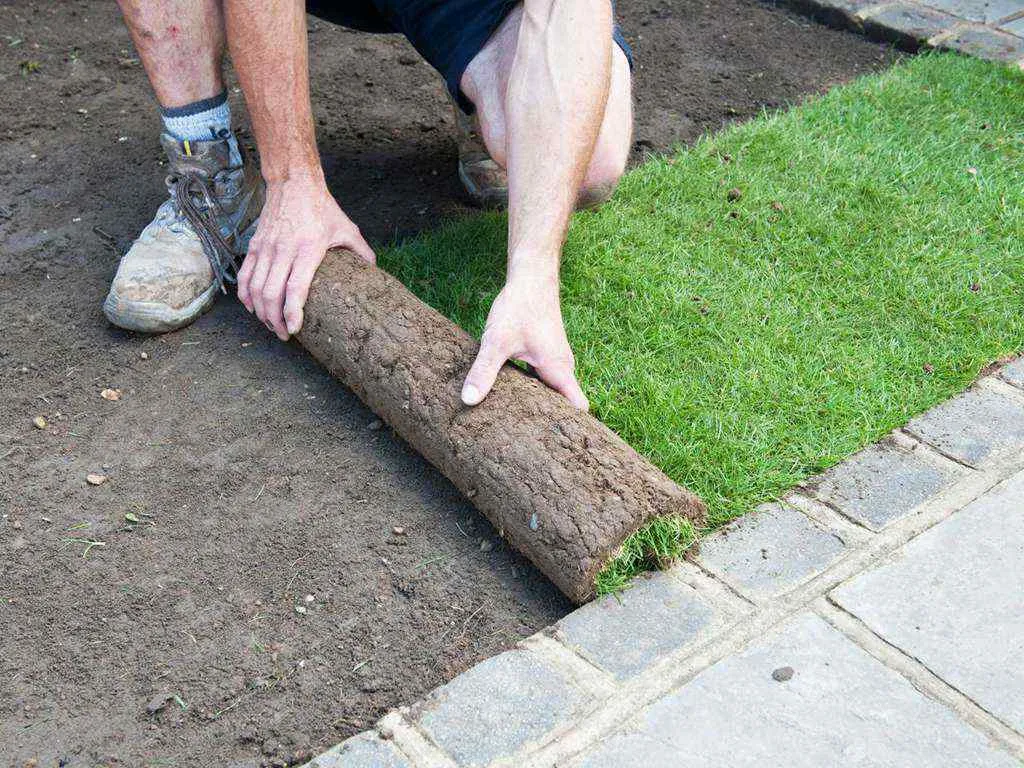
Sod installation should be completed as quickly as possible once the sod is delivered — sod left on pallets in DFW summer heat for more than a day begins to deteriorate rapidly. Our crew installs sod in a staggered brick pattern with tight, seamless joints, cuts cleanly along all borders and curves, and rolls the installed sod to ensure full soil contact across the entire installation.
After installation, the critical establishment period begins. During the first two weeks, the sod needs frequent, light irrigation — typically two to three waterings per day — to prevent the roots from drying out while they're anchoring into the native soil. Heavy foot traffic should be avoided during this period.
By the third and fourth week, watering frequency can be reduced and the establishment process is generally well underway. Most DFW sod installations are ready for their first mowing within three to four weeks of installation.

Ready for an instant, beautiful lawn? Gonzalez Landscaping is ready to make it happen.

Find Us On


