


The Secret to Professional Curb Appeal Starts With Perfect Lawn Edging
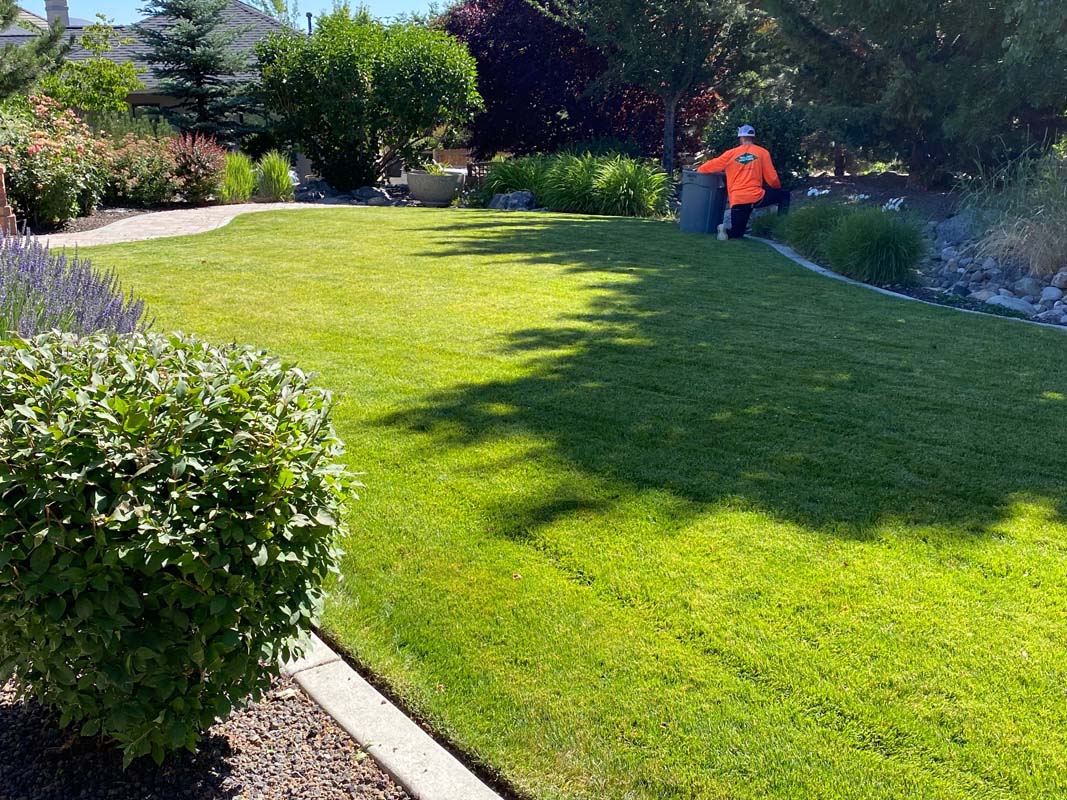
Why Your Neighbor's Lawn Always Looks Better (And It's Not Just the Grass)
You've probably noticed it before — two yards with similar grass, similar landscaping, but one just looks sharper. More polished. More put-together. In most cases, the difference isn't the grass at all. It's the edges. Clean, crisp lawn edging creates a visual boundary that tells the eye exactly where the lawn ends and the hard surface begins. That definition is what gives a yard a professional, high-end appearance — and it's one of the most underrated elements of residential and commercial lawn care in the DFW area.
At Gonzalez Landscaping, edging is a core part of every lawn maintenance visit we perform across Fort Worth, Dallas, Colleyville, Southlake, Bedford, Arlington, North Richland Hills, and surrounding DFW communities. In this guide, we'll break down why professional edging matters, how it works, and what homeowners in North Texas should know about keeping their property lines looking their absolute best.
What Is Lawn Edging and Why Does It Matter?
Lawn edging is the process of creating a clean, vertical cut along the border between your grass and a hard surface — typically a sidewalk, driveway, curb, or garden bed. Unlike mowing, which cuts the top of the grass, edging cuts the sides — removing any grass that has crept over the edge and creating a defined, precise line.
For DFW homeowners, edging matters for several important reasons:
Curb Appeal and First Impressions
In neighborhoods across Fort Worth, Southlake, and Colleyville, homes are often judged by their exterior presentation. Well-edged lawns signal that a property is cared for and maintained. For homeowners thinking about resale value, rentals, or simply taking pride in their neighborhood, edging is one of the highest-return investments in lawn care.
Preventing Grass Overgrowth onto Hard Surfaces
DFW grass types like Bermuda are aggressive spreaders. Without regular edging, Bermuda will slowly creep across sidewalks and driveways, creating a soft, spongy border that looks unkempt. Over time, this encroachment can become difficult to reverse.
Protecting Concrete and Paving
Grass roots that grow under concrete edges can eventually contribute to cracking and shifting. Regular edging removes that encroachment before it has the chance to cause structural problems to your walkways and driveway edges.
Defining Landscape Beds
Edging isn't only for hard surfaces. Crisp edges along flower beds, mulch areas, and garden borders give your entire outdoor space a structured, intentional look that ties the whole property together.
Types of Edging Techniques Used in DFW Lawn Care
Rotary Edging (Mechanical Edging)
This is the most precise method for sidewalk and driveway borders. A rotary edger uses a flat, spinning blade to cut a perfectly vertical line into the soil along the hard surface. This technique is ideal for maintaining established edges that have already been defined.
String Trimmer Edging
For properties with curved edges, garden beds, or irregular borders, a string trimmer held vertically can produce excellent results in the right hands. This technique requires skill and consistency — an improperly used string trimmer creates wavy, uneven lines that actually hurt curb appeal rather than helping it.
Spade Edging
Used primarily for garden bed borders, a flat spade creates a clean trench between grass and planting areas. This is particularly effective for properties transitioning to mulch beds or ornamental plant areas.
At Gonzalez Landscaping, our team uses the right technique for each specific border type on your property, ensuring every edge on your lawn is cut with the precision it deserves.
How Often Should Lawns in DFW Be Edged?
For most homeowners in Fort Worth, Dallas, and the surrounding Metroplex, edging should happen every one to two weeks during the active growing season. Bermuda grass — the dominant variety in DFW — grows aggressively and can re-encroach on hard surfaces within just a week or two of an edging cut.
Here's a seasonal breakdown for DFW:
Spring and Summer: Edge every one to two weeks, ideally on the same schedule as mowing. This is when DFW grass is at its most aggressive growth stage.
Fall: Growth slows, so edging every two to three weeks is typically sufficient to maintain clean lines.
Winter: Minimal edging is needed during dormancy, though an occasional pass along high-visibility areas like the front walkway and driveway keeps the property looking sharp even in the off-season.
What Homeowners in DFW Should Look For After an Edging Service
A professional edging job should produce the following results:
A straight, vertical cut along every sidewalk and driveway border. No grass blades overhanging onto concrete surfaces. Clean separation between lawn and landscape beds. Clippings blown clear of hard surfaces after edging is complete.
At Gonzalez Landscaping, edging is never done in isolation. After every edging visit, our team follows up with blowing to remove all clippings from driveways, sidewalks, and patios so your property is completely clean from edge to edge.
Why DFW Homeowners Choose Professional Edging Services
DIY edging is possible, but it requires consistent effort, the right equipment, and a steady hand. Many homeowners in North Richland Hills, Saginaw, Benbrook, and Westlake start with DIY edging and quickly find that keeping up with it on top of everything else becomes impractical. When edging gets skipped for a few weeks, re-establishing clean lines takes significantly more time and effort.
Professional edging services eliminate that problem entirely. Our team shows up on schedule, maintains the lines you've established, and ensures your property always looks its best — whether you're heading out for the day or hosting guests for the weekend.

Professional lawn edging is one of the quickest ways to elevate the appearance of your entire property. Gonzalez Landscaping is ready to get your yard looking its sharpest.

Find Us On


