


What Happens to Your Trees and Shrubs When They Go Too Long Without Trimming
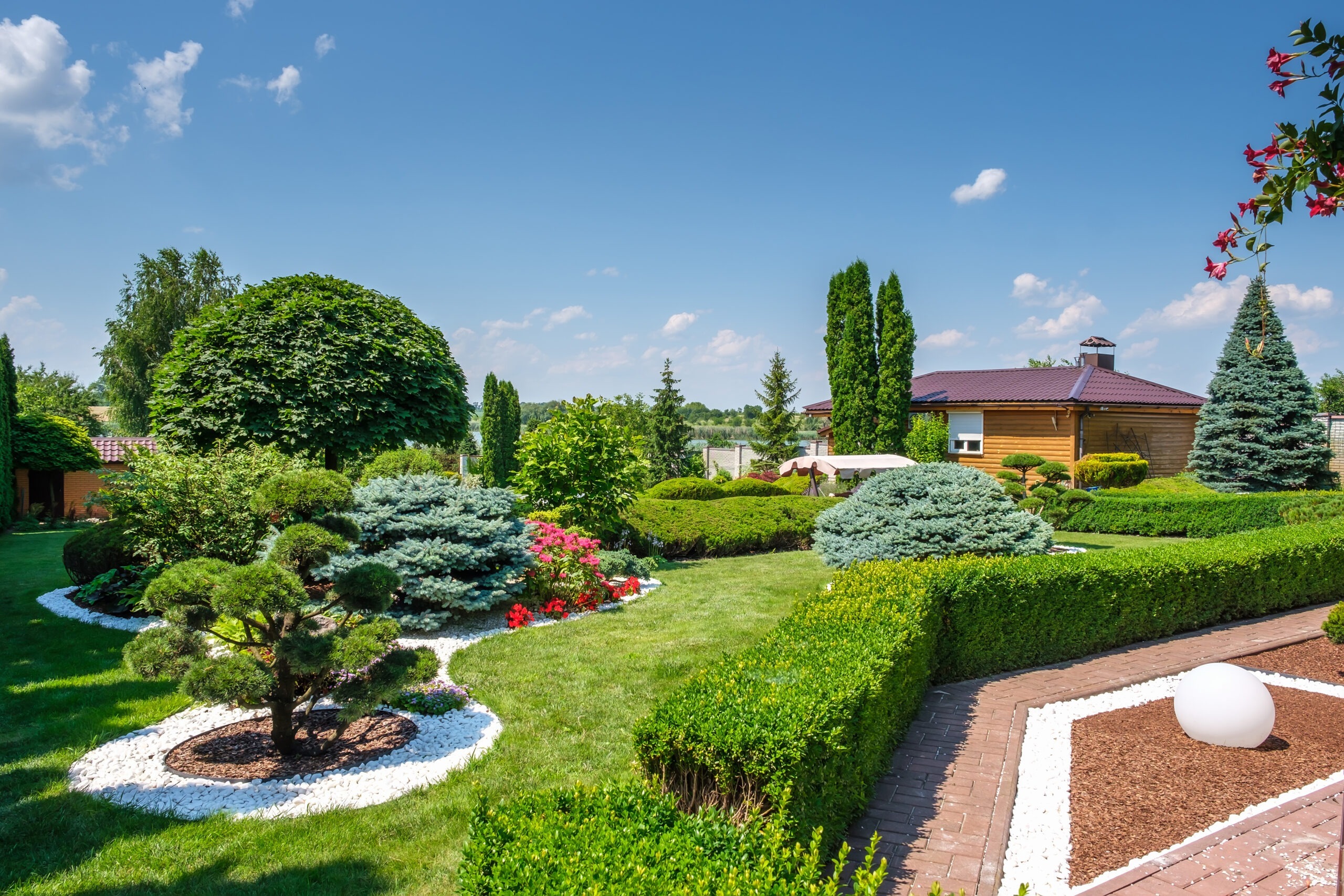
The Hidden Cost of Skipping Tree and Shrub Trimming
Most homeowners in Fort Worth and Dallas know their trees and shrubs need trimming at some point — but it's the kind of thing that gets pushed down the priority list until the overgrowth becomes unavoidable. By then, what would have been a routine trimming visit has turned into a significant restoration job. Untrimmed trees and shrubs don't just look unkempt. They actively develop structural problems, disease vulnerabilities, and pest habitats that cost far more to address once they're established.
At Gonzalez Landscaping, we've been providing professional tree and shrub trimming services to homeowners and commercial clients across the DFW Metroplex for over 20 years. In that time, we've seen every stage of overgrowth — and we've learned that the homeowners who invest in consistent trimming spend significantly less over time than those who let things go.
This guide covers what actually happens to your trees and shrubs when trimming is neglected, how professional horticultural pruning works, and when DFW homeowners should schedule their trimming services.
What Happens When Trees and Shrubs Aren't Trimmed Regularly
Structural Weakness Develops
Trees that aren't trimmed develop branches that compete for dominance. When two or more branches of similar size grow from the same point — called a co-dominant stem — the attachment is inherently weak and prone to failure during storms. In DFW, spring and fall storm seasons are significant. A tree with uncorrected structural issues is a liability during high-wind events.
Interior Die-Off Increases
Overgrown shrubs and trees become so dense that sunlight and airflow can no longer penetrate the interior of the canopy. This causes interior branches to die off, producing a hollow, dead core surrounded by outer growth. The result is a shrub that looks full from the outside but is structurally compromised within.
Disease and Pest Pressure Increases
Dense, untrimmed canopies create the perfect microclimate for fungal disease — warm, moist, and still. In North Texas, cedar-apple rust, powdery mildew, and fire blight are common issues for improperly maintained trees and shrubs. Trimming opens up the canopy, improves airflow, and removes diseased wood before it spreads.
Pest problems also escalate in untrimmed greenery. Spider mites, aphids, and scale insects thrive in the protected interior of overgrown shrubs where natural predators can't easily reach them.
Curb Appeal Deteriorates
Overgrown shrubs push outward over walkways, obstruct windows, and lose their original shape entirely. Trees with unpruned lower branches hang into yards, driveways, and sight lines. Even a well-maintained lawn loses most of its visual impact when flanked by overgrown, shapeless greenery.
The Right Way to Trim Trees and Shrubs in DFW
Professional tree and shrub trimming isn't just about removing what looks long. It's about understanding how each species grows and making cuts that improve the plant's long-term structure and health.
The Three-Cut Method for Large Branches
For any branch larger than one inch in diameter, proper removal requires three cuts — not one. The first cut is an undercut to prevent bark tearing. The second removes the branch weight. The third final cut is made at the branch collar (the raised tissue at the base of the branch) to allow proper wound closure. Skipping this process results in bark tearing, exposed wood, and entry points for disease.
Thinning vs. Heading Cuts
Thinning cuts remove entire branches back to the main stem or a lateral branch. They reduce density without stimulating excessive new growth. Heading cuts shorten branches but stimulate clusters of new growth (called water sprouts) that are often weak and require more frequent management. Professional arborists prefer thinning for structural improvement and reserve heading cuts for specific shaping situations.
Shrub Shaping and Hedge Maintenance
For formal hedges, boxwoods, hollies, and shaped shrubs common in Colleyville, Southlake, and Westlake properties, regular shearing maintains the intended geometry of the planting. This requires understanding the plant's growth rate and the appropriate frequency of shearing to keep shapes clean without over-stimulating growth.
When to Trim Trees and Shrubs in DFW
Timing matters significantly for tree and shrub trimming in North Texas. Here's a general guide by plant type:
Deciduous Trees (Oak, Pecan, Elm, Crepe Myrtle): Late winter to early spring is generally ideal — after the coldest nights have passed but before new growth emerges. This timing reduces disease exposure for susceptible species like oaks, where fresh pruning wounds should not be exposed during the spring sap flow period when oak wilt risk is elevated.
Flowering Shrubs (Azalea, Forsythia, Spirea): Trim immediately after blooming to avoid removing next season's flower buds, which form shortly after the current bloom cycle ends.
Evergreen Shrubs (Boxwood, Holly, Juniper, Nandina): These can generally be trimmed in late winter or early spring before new growth begins, with light maintenance trims during summer if needed.
Crepe Myrtles: This is a hot topic in DFW. The practice of "crepe murder" — severe topping of crepe myrtles — is widely criticized by professional landscapers and arborists. Crepe myrtles should be lightly shaped to remove crossing branches, seed heads, and basal suckers. Avoid heavy topping, which disfigures the tree and produces weak, crowded regrowth.

Don't wait until overgrowth becomes a bigger problem. Professional tree and shrub trimming now saves you significantly more in restoration costs later.

Find Us On


